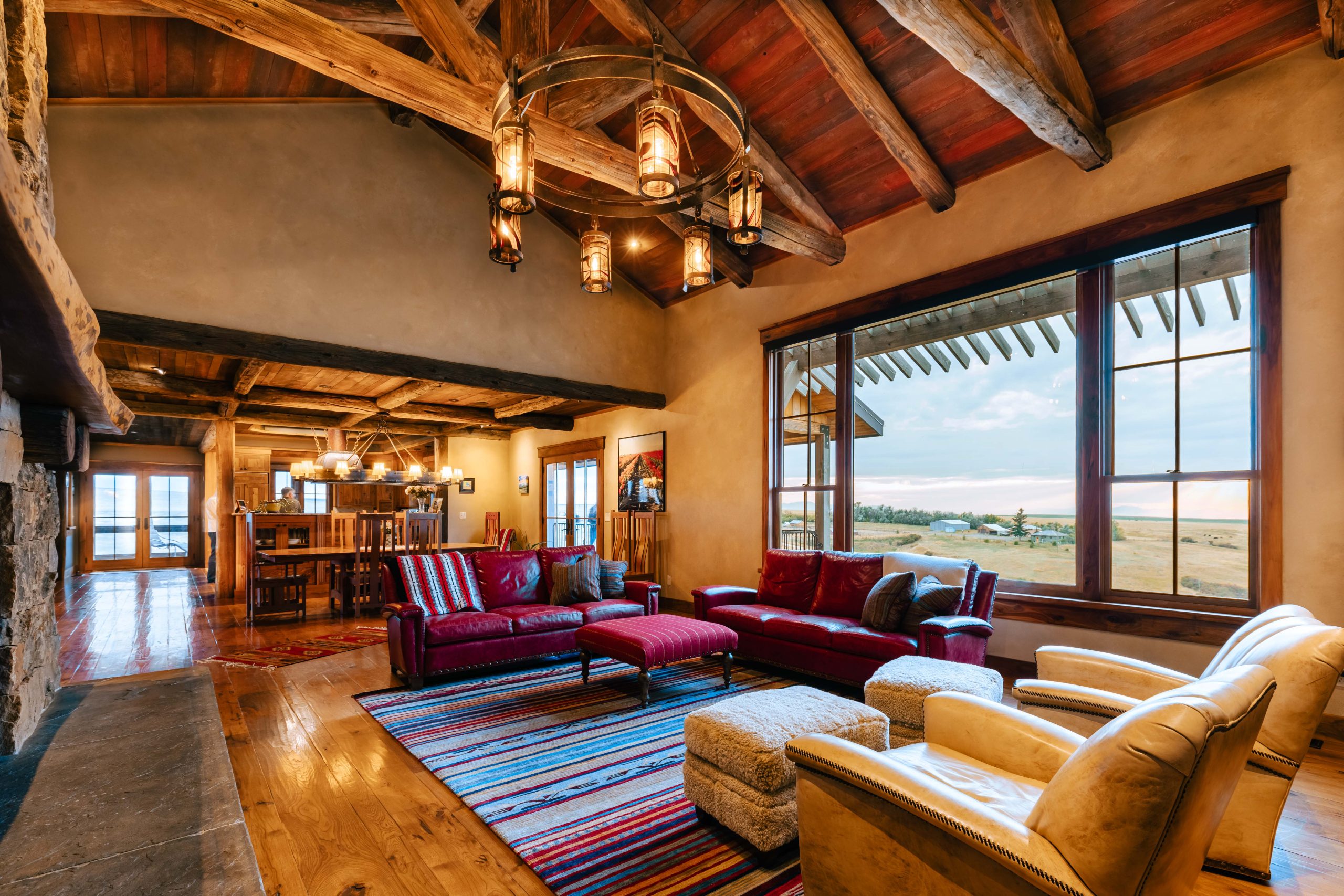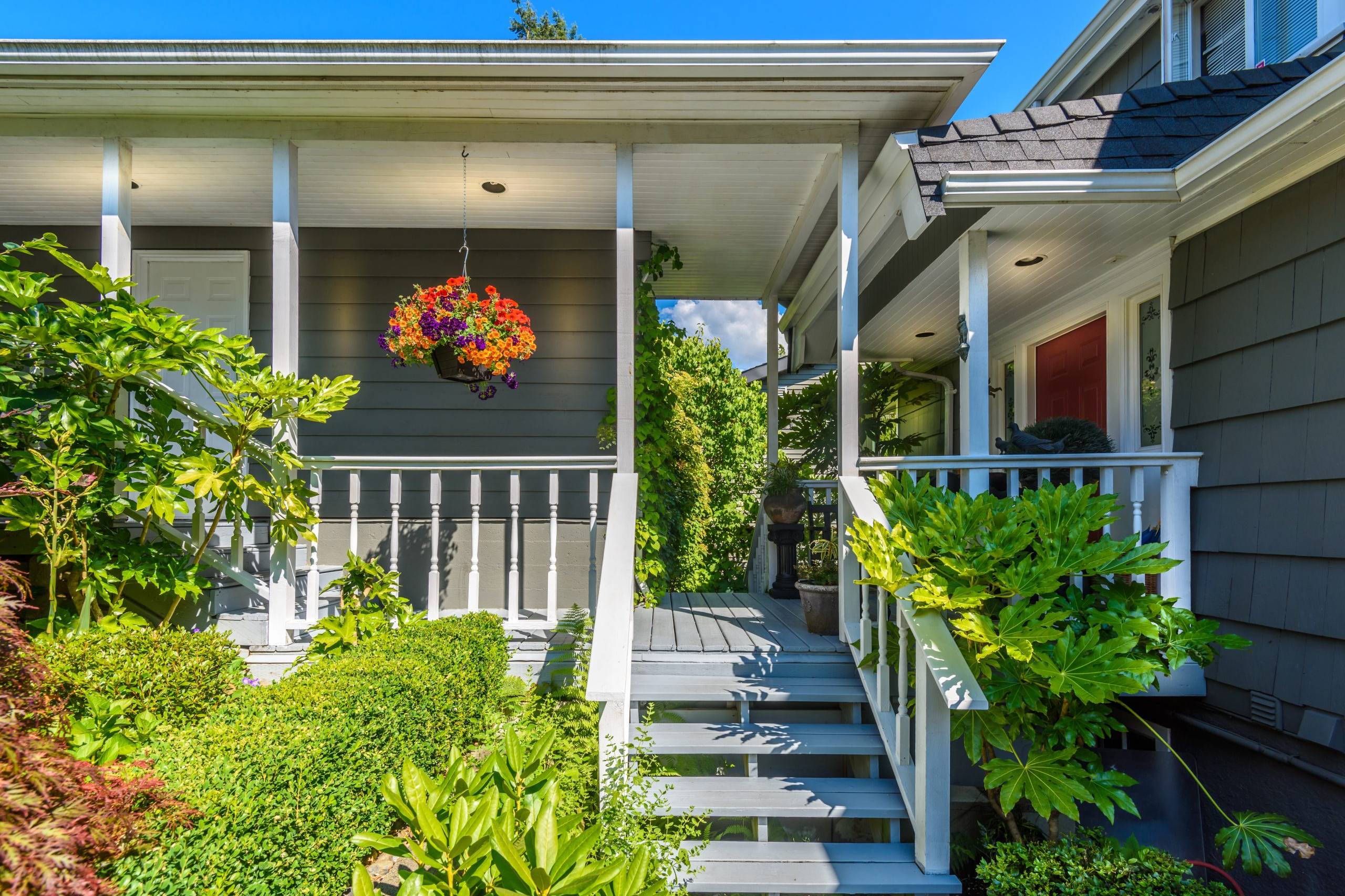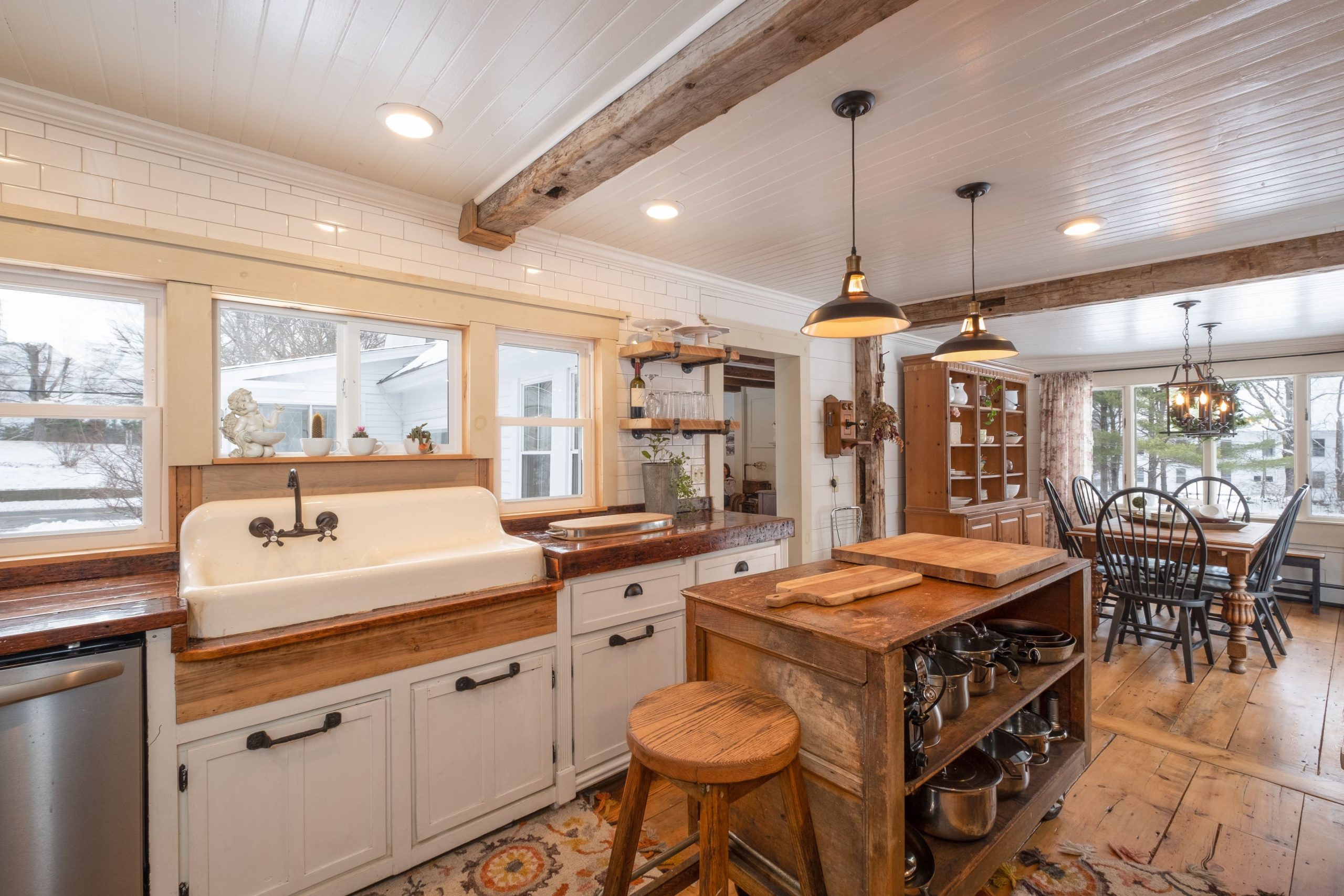


There is a version of rustic that feels cold and overworked, full of too much reclaimed wood and not enough comfort. And then there is the version that gets it right. The kind of living room that uses earthy tones not as a design statement but as a genuine invitation to slow down. Terracotta, warm ochre, deep sage, toasted caramel, the colors that the earth actually produces when left to its own devices. These are the shades that make a rustic living room feel warm rather than sparse, layered rather than heavy. Here is how to bring that quality into your own space.
The Color Foundation
Earthy tones work best when they are layered rather than applied all at once. The goal is a room that builds warmth gradually, not one that announces its color palette the moment you walk in.
-
Start with a Warm Neutral on the Walls
A warm greige, soft clay, or dusty linen on the walls gives every other earthy element in the room something to rest against. Avoid anything too cool or too white since those tones will fight against the warmth you are trying to build. Benjamin Moore’s Pale Oak, Sherwin Williams Accessible Beige, and Farrow and Ball’s Dead Salmon are all worth considering for a rustic living room with earthy ambitions.
Route 66 begins at the corner of Michigan Avenue and Adams Street in downtown Chicago, and the city deserves at least a full day before you point the car southwest. Walk the Magnificent Mile, eat a deep dish pizza, and stand on the shore of Lake Michigan in the morning before you leave. Chicago sets the tone for everything that follows. It is big and confident and entirely itself, and those qualities will feel familiar again when you reach the other end of the road in California.
-
Bring in Terracotta as an Accent
Terracotta is the most versatile earthy tone in a rustic living room because it works as a wall color, a textile color, and a ceramic color simultaneously. A terracotta throw pillow against a cream sofa, a terracotta planter beside the fireplace, or a single terracotta colored chair in a reading corner all add warmth without tipping the room into something that feels too designed.
-
Use Deep Sage as a Grounding Tone
Sage green used in small doses throughout a rustic living room grounds the warmth of the terracotta and ochre tones without cooling the room down. A sage linen curtain, a sage velvet cushion, or even a sage painted side table adds just enough contrast to make the warmer tones feel more alive.
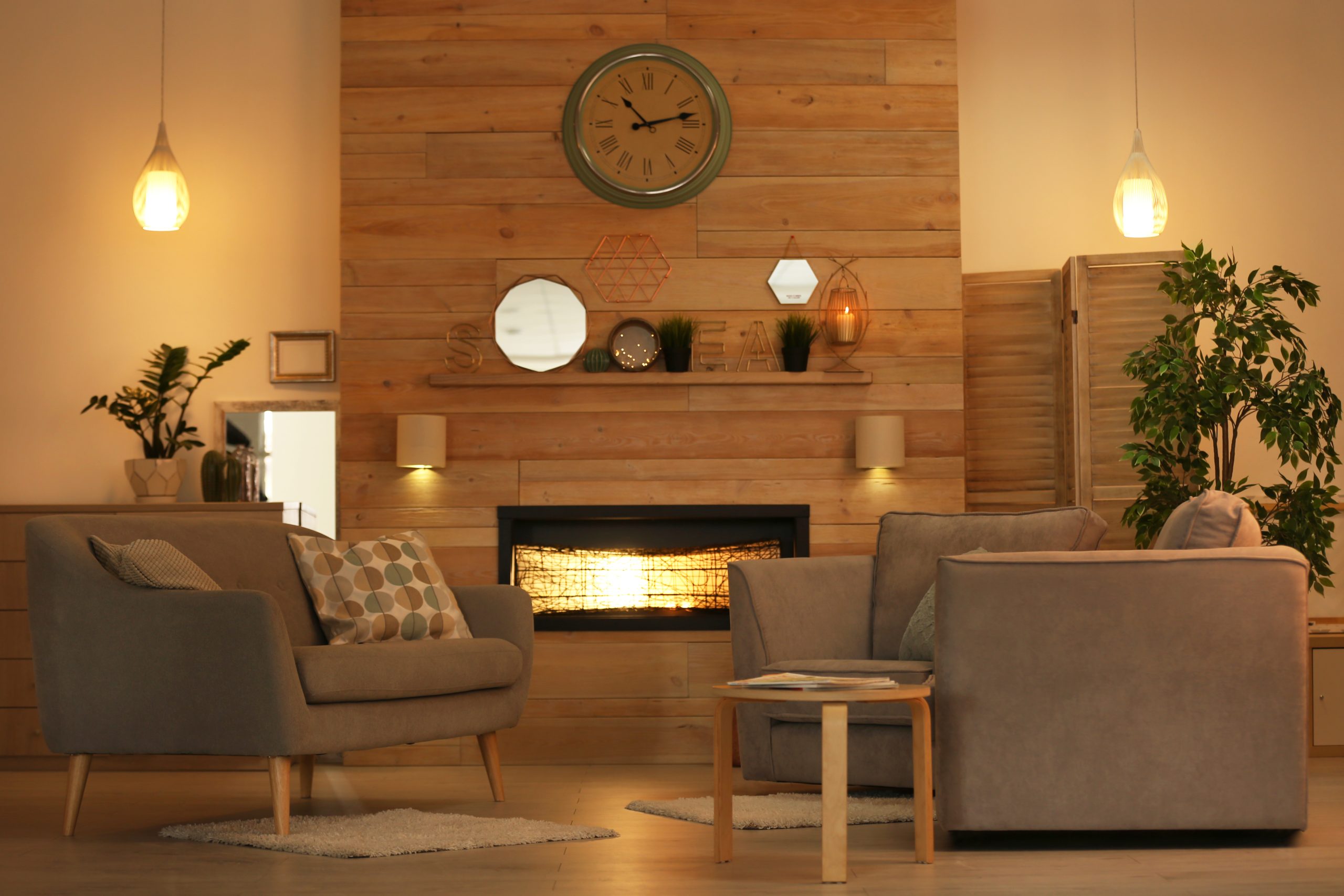
This is what rest looks like when it’s done right
-
Let Ochre and Mustard Do the Work of Lighting
Ochre and mustard toned textiles have a quality that mimics the effect of warm afternoon light even when the actual light in the room is flat. A mustard yellow throw blanket, an ochre area rug, or a pair of mustard linen curtains can shift the entire temperature of a living room in a way that paint alone cannot.
Springfield is where Abraham Lincoln lived before he became president and the city wears that history with genuine pride. The Abraham Lincoln Presidential Library and Museum is one of the best presidential museums in the country, and the Lincoln Home National Historic Site gives you a sense of the man before the mythology. Springfield also has some of the best preserved Route 66 diners and drive-ins in Illinois, including the Cozy Dog Drive In, which claims to have invented the corn dog.
Texture as the Main Event
In a rustic living room built on earthy tones, texture carries as much visual weight as color. The rougher, more natural, and more varied the surfaces, the warmer the room will feel.
-
Layer Natural Textiles on Every Surface
Linen, cotton, wool, jute, and rattan all belong in a warm rustic living room and the more of them you layer together, the better the room tends to look. A jute rug under a wool throw, a linen sofa with a cotton quilt draped over one arm, rattan baskets beside a woven pouf. Each material adds its own quiet texture to the overall picture.
-
Mix Raw and Refined Wood Tones
A rustic living room with earthy tones benefits from wood surfaces in different states of finish. A raw reclaimed wood coffee table alongside a more polished walnut side table creates the kind of contrast that feels collected rather than matched. The variety of wood tones adds visual complexity without requiring color.
-
Add Stone or Concrete Elements
A stone fireplace surround, a concrete side table, or even a few smooth river stones used as decorative objects bring an elemental quality to a rustic living room that softer materials alone cannot achieve. Stone and concrete read as ancient and settled in a way that reinforces the earthy tone palette and gives the room a sense of permanence.
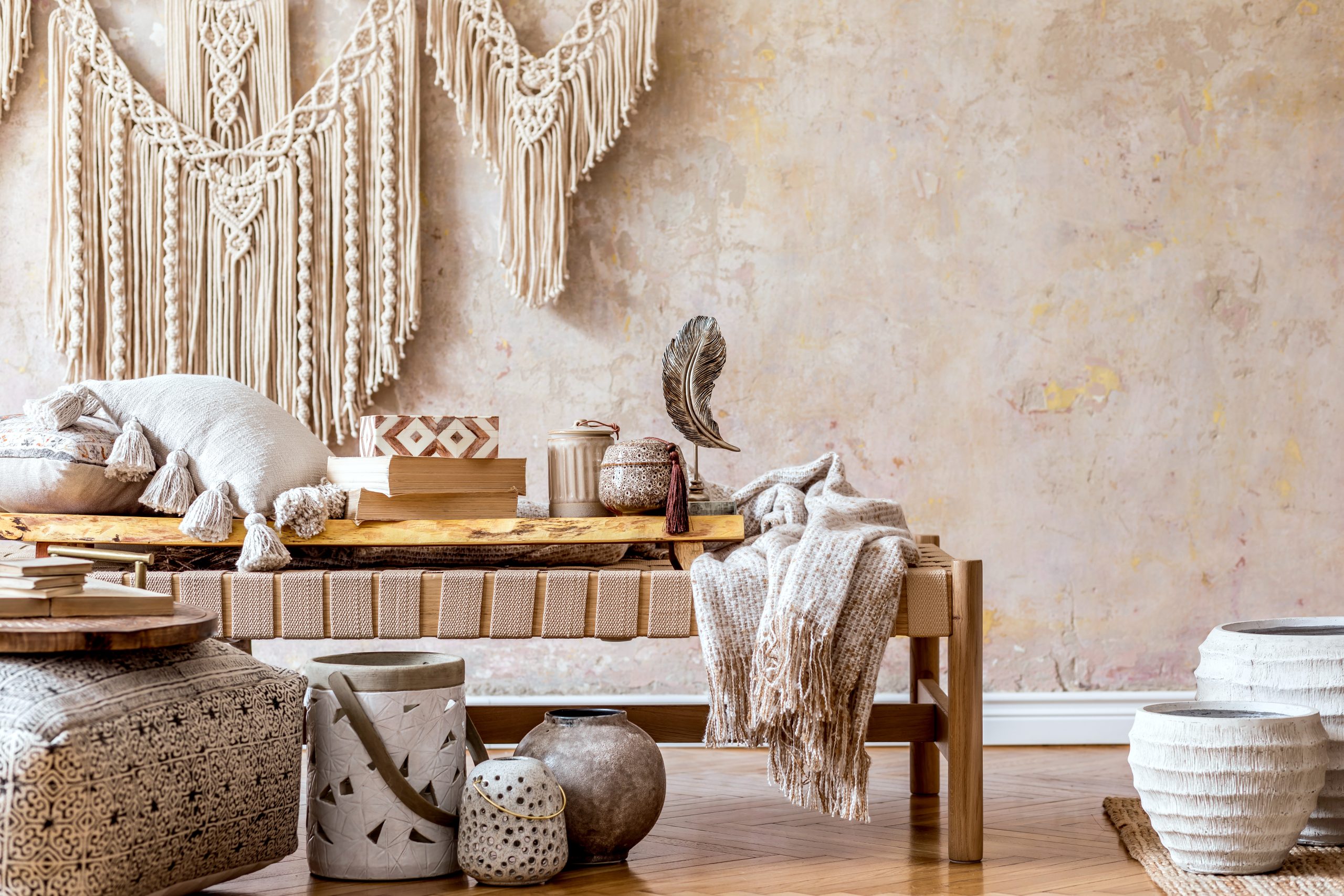
Macramé originated as a 13th-century Arab weaving technique, traveled through Europe, and landed firmly in the American boho interior scene by the 1970s. Today it’s back rawer, larger, and more intentional than ever.
Furniture Choices for a Warm Rustic Room
The furniture in a warm rustic living room should feel substantial without feeling heavy. Pieces with natural materials, simple silhouettes, and a slightly imperfect quality tend to work best.
-
Choose a Sofa That Invites Sitting
A deep seated sofa in linen, cotton, or a nubby natural weave fabric is the anchor of a warm rustic living room. Avoid anything too structured or too sleek. The right sofa for this kind of room looks like it has been sat in, often and happily, for a long time.
-
Add a Worn Leather Piece for Contrast
A single leather armchair or leather ottoman in cognac, tobacco, or saddle brown adds a material contrast that lifts the whole room. Leather ages beautifully and the worn patina that develops over time only improves its contribution to an earthy rustic interior.
-
Use a Daybed or Chaise for Layering
A daybed or chaise in a corner of the living room piled with throw pillows and blankets creates a secondary seating area that adds depth to the room and signals that this is a space meant for lingering. In a warm rustic living room it becomes one of the most used and most photographed spots.
Plants and Natural Elements
No warm rustic living room with earthy tones is complete without living elements. Plants, dried flowers, branches, and natural objects bring a quality of aliveness to a room that no manufactured decoration can replicate.
-
Use Large Leafy Plants for Drama
A large fiddle leaf fig, monstera, or bird of paradise in a terracotta or woven basket planter brings scale and life to a corner of the living room that would otherwise feel empty. Large plants in earthy rooms create a lushness that reinforces the connection to the natural world that earthy tones already suggest.
-
Group Small Plants at Different Heights
A cluster of small plants in different sized terracotta pots arranged on a wooden shelf, windowsill, or coffee table creates an organic, abundant quality. Mix cacti, succulents, and trailing plants for the most visually interesting grouping.
-
Bring in Dried Botanicals for Texture
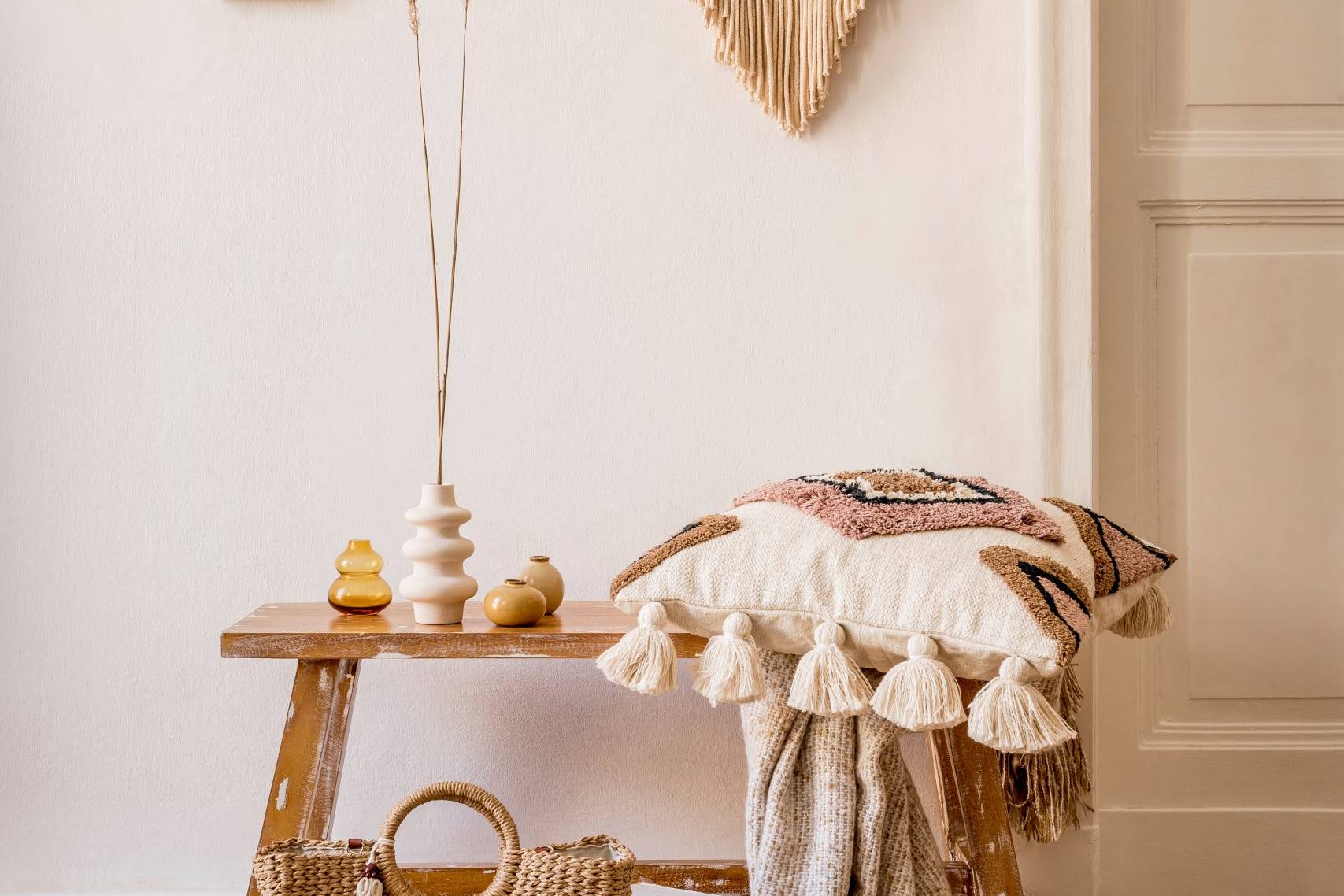
Dried pampas grass, wheat stalks, dried cotton stems, and preserved eucalyptus add texture and movement to a rustic living room without requiring any ongoing care. A large bunch of dried pampas grass in a tall ceramic vase is one of the most effective and low maintenance earthy room additions you can make.
Woven rugs and handcrafted accessories have been central to American interior design since the Arts and Crafts movement of the early 1900s — a direct pushback against mass production. Today that same instinct drives the boho interior trend.
-
Use Branches as Sculptural Elements
A few interesting branches placed in a large floor vase or propped against a wall bring a sculptural quality to a rustic living room that is entirely free if you have access to any outdoor space. Bare branches in winter, budding branches in spring, and dried branches year round all work in an earthy interior.
The Finishing Layer
-
Add a Gallery Wall in Natural Frames
A gallery wall of botanical prints, landscape photographs, or abstract paintings in natural wood or simple black frames adds visual interest to a large wall without disrupting the earthy tone palette. Keep the frames consistent in material if not in size for a look that feels curated rather than random.
-
Style the Fireplace Mantel with Intention
A fireplace mantel in a warm rustic living room is the most important styling surface in the space. A simple arrangement of a large mirror or painting, a few candles in varying heights, a small plant or dried botanical, and one or two meaningful objects is all it takes. Resist the urge to fill every inch.
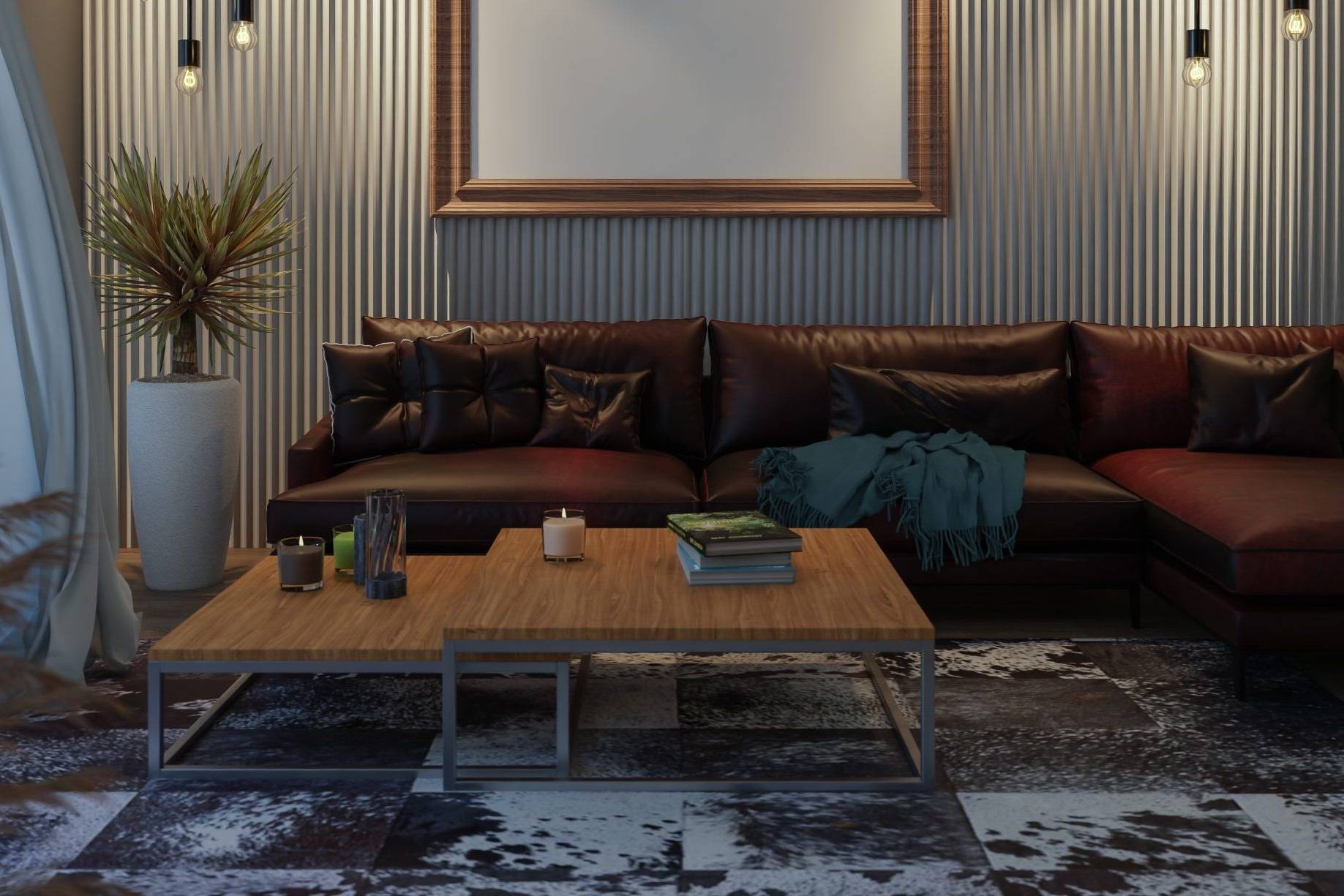
Tropical houseplants became an American interior staple in the 1970s — and never really left. In a boho room, they do the work of both decoration and architecture.
-
Use Baskets for Storage and Decoration
Woven baskets in natural materials serve double duty in a warm rustic living room. They store blankets, magazines, and remotes while adding texture and warmth to the room at the same time. Stack two or three beside the sofa or beside the fireplace and let them become part of the room rather than hiding them away.
-
Let the Room Breathe
The final and most important principle of a warm rustic living room with earthy tones is restraint. Every element you add should earn its place. A room with fewer, better chosen pieces will always feel warmer and more intentional than one that tries to include everything at once. Edit regularly, move things around, and trust that the right amount of space between objects is part of what makes the room feel good.