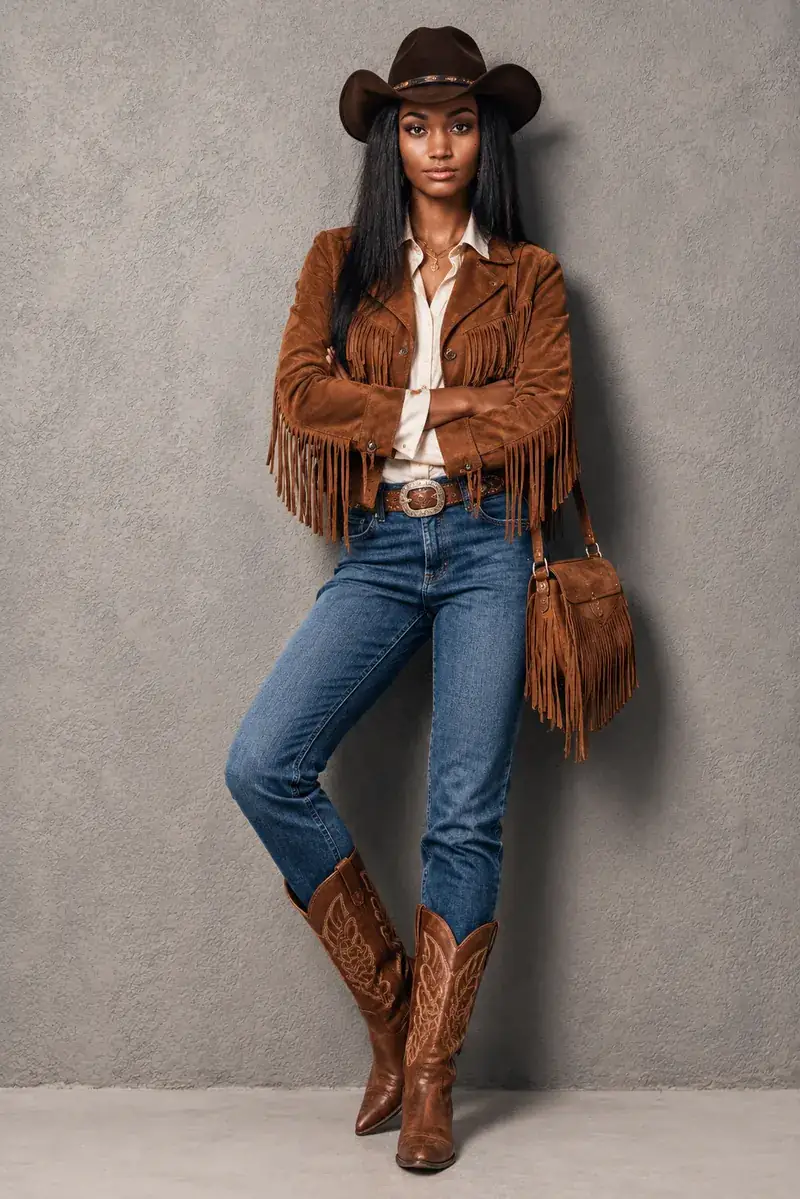
Everyone owns the two pieces. A denim jacket, a pair of jeans, hanging six inches apart in the same closet, kept separate by one fear with a funny name: the Canadian tuxedo. The fear is not irrational, exactly. It is just unexamined, and I say that as someone whose early attempt paired a medium-wash jacket with medium-wash jeans of the identical shade and produced, in the mirror, a person upholstered in one continuous bolt of fabric. The photo survives. I have made peace with it.
The fix turned out to be one rule so simple it fits on a jean tag, and this article is that rule plus everything it unlocks: the wash matrix, five formulas with their breaker pieces, and the case for the thrift store as denim’s true flagship.
The Two-Shade Rule
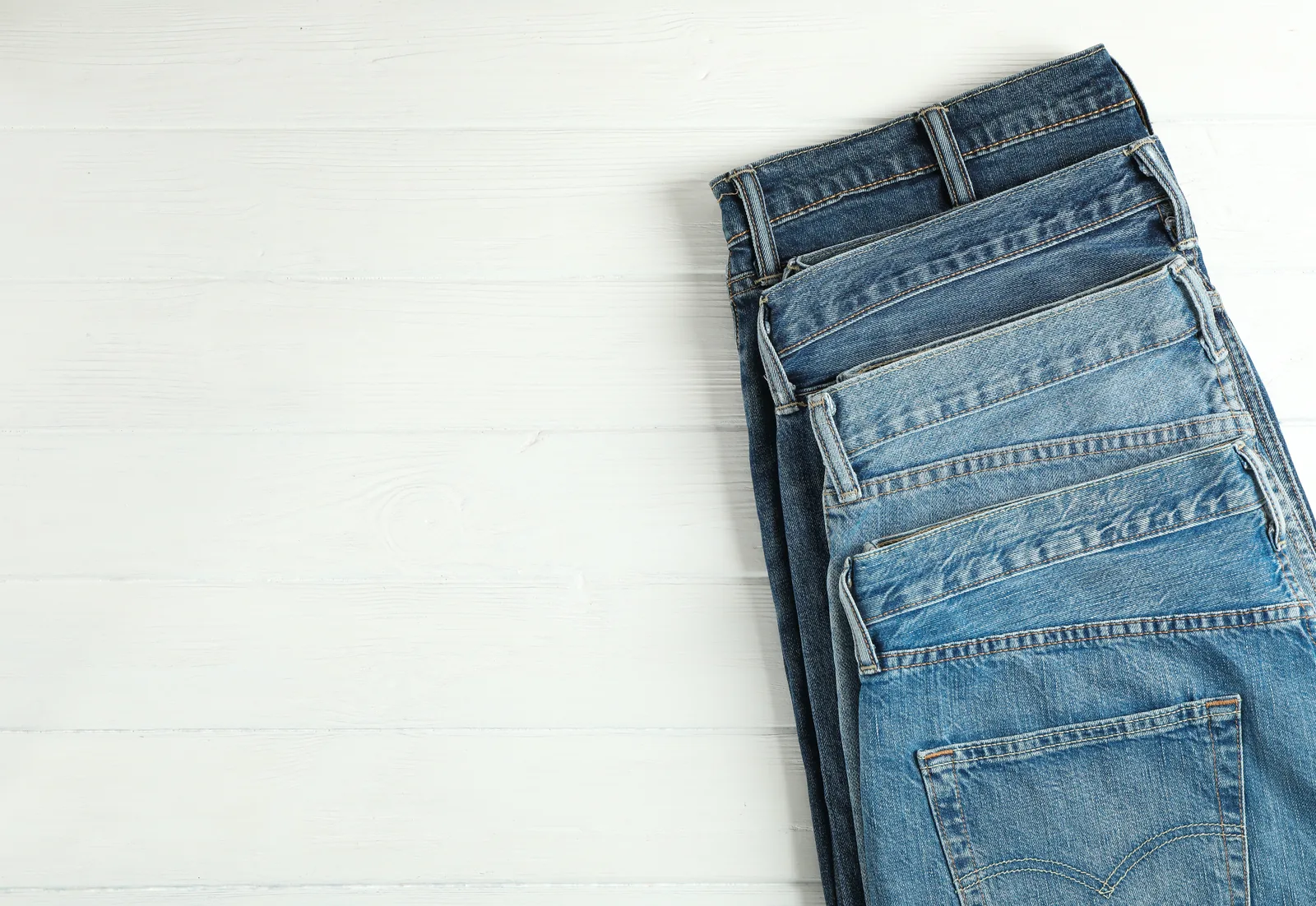
The Two-Shade Rule: your denim pieces must sit at least two shades apart on the five-point wash scale, and the look works automatically. That is the whole rule. Contrast is what separates intentional double denim from the upholstery effect, and two shades is the minimum contrast the eye reads as deliberate.
The scale, one to five:
- Bleach and true light wash (the palest, near-white blues)
- Light-medium (the classic faded jacket)
- Medium (the middle of every denim wall)
- Dark wash (deep indigo, minimal fading)
- Black and raw (black denim, unwashed raw indigo)
A shade-2 jacket over shade-4 jeans: two apart, works. Shade-3 on shade-3: my mirror incident. Shade-1 on shade-5: maximum contrast, maximum confidence, still inside the rule.
The Wash Matrix
Every combination, settled:
| Top ↓ / Bottom → | 1 Light | 2 Lt-Med | 3 Medium | 4 Dark | 5 Black/Raw |
|---|---|---|---|---|---|
| 1 Light | ✗ | ✗ | ✓ | ✓✓ | ✓✓ |
| 2 Lt-Med | ✗ | ✗ | ✗ | ✓✓ | ✓✓ |
| 3 Medium | ✓ | ✗ | ✗ | ✗ | ✓ |
| 4 Dark | ✓✓ | ✓✓ | ✗ | ✗ | ✗ |
| 5 Black/Raw | ✓✓ | ✓✓ | ✓ | ✗ | ✗ |
Double-check reads: light jacket over dark jeans (2 over 4) is the eternal safe play, dark jacket over light jeans (4 over 2) is its confident mirror, and the diagonal of ✗ down the middle is the upholstery zone where my old photo lives.
5 Formulas
1. Light Jacket + Dark Jean (The Sure Thing)
Shade 2 over shade 4, white tee between, leather belt. This is double denim’s little black dress: it has never failed anyone and it never will. Occasion: everywhere. Breaker: the belt and the tee are already doing it.

2. The Chambray Entry Point
Not ready to commit? Chambray, denim’s featherweight cousin, reads a full shade lighter than it is and softens the whole equation: a chambray shirt (functionally a shade 1 to 2) over any dark jean is double denim with training wheels, office-safe and beach-safe alike. This is the formula to prescribe to the skeptical.
3. The Western Full Send
Denim jacket, denim on the legs, boots, and one western note: the Nashville night uniform, worn at Statement-to-Full-Send level depending on the venue per the western chic starter guide. The boots do the anchoring (the full case is in how to wear cowboy boots), and the whole formula gets its field test on Lower Broadway in the Nashville outfit guide. Rule still applies: two shades apart, always.
4. Denim Dress + Jacket
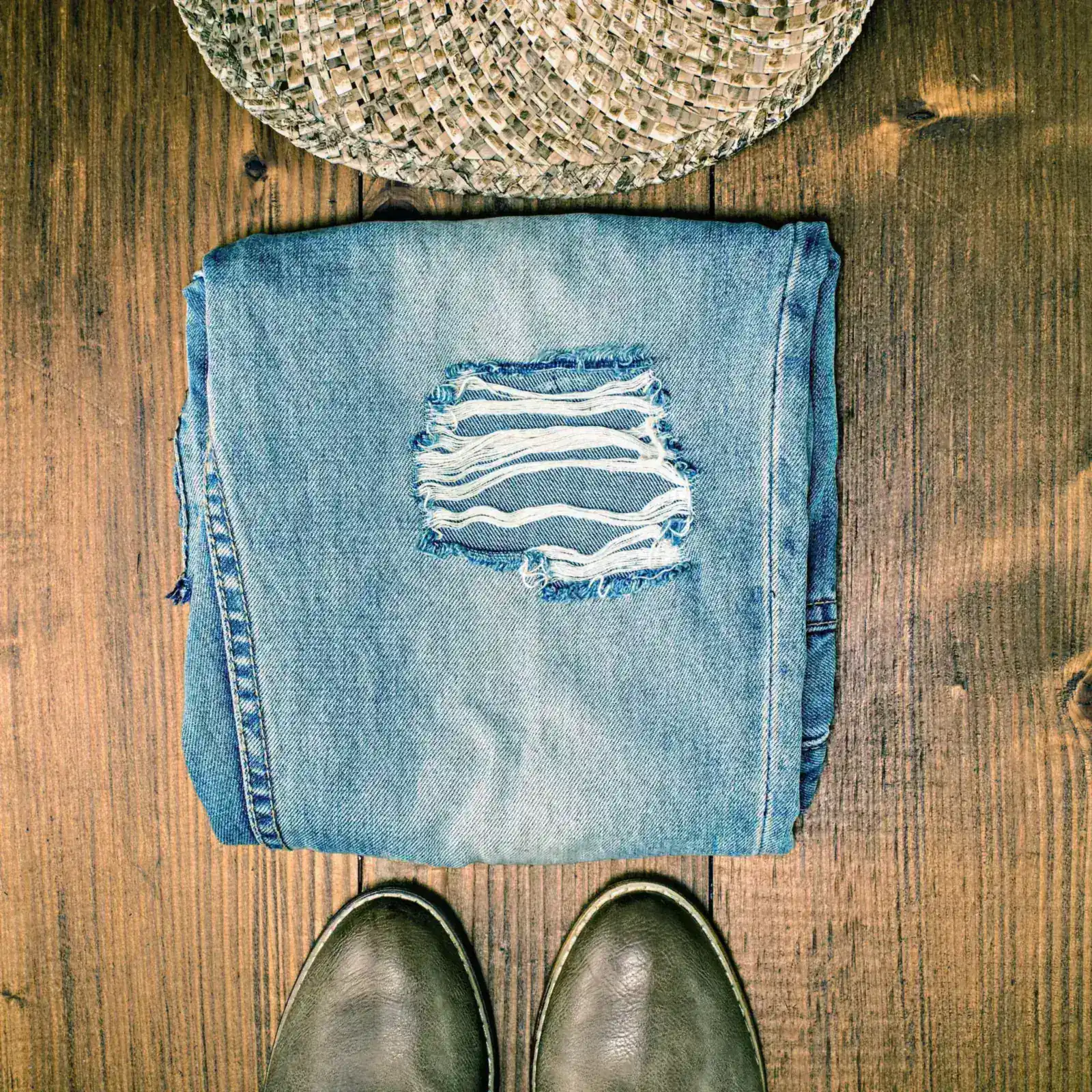
A medium or dark denim dress under a light jacket (or the reverse): the formula that proves the rule scales beyond the two-piece. The dress supplies the silhouette, the jacket supplies the contrast, and white sneakers keep the whole thing weekend-shaped.
5. The Black Denim Mix
Shade 5 is double denim’s dress code: black jeans under a light or medium jacket reads polished enough for dinners that would raise an eyebrow at formula 1. It is also winter’s answer, when light washes feel seasonally off and black denim carries the contrast duty instead.

The Breaker Piece
Every double denim outfit wants one non-denim element breaking the field, and choosing it is the outfit’s whole personality:
- The leather belt: the default breaker, brown against blue, working in every formula above.
- The white tee: the clean column of relief between jacket and jean; the reason it earns its own future deep-dive as the hardest-working garment in America.
- The boots: leather at the floor line does double duty as breaker and anchor.
- One turquoise piece: the western breaker, quiet and exact, per styling turquoise jewelry.
- What does not break: a third denim piece. A denim bag or cap on top of the two-piece is not a breaker; it is a relapse.
The Thrift Angle
Here is the open secret: denim is the single best category in every thrift store in America, because denim is the rare fabric that improves with the exact wear that makes other clothes donations. The math from my last run: a shade-2 vintage trucker jacket at $14 and shade-4 straight jeans at $12, which is a complete, rule-compliant double denim foundation for $26, under the $40 ceiling with room for the belt.
The vintage sizing rules that make it work: trucker jackets from past decades run small, so size up one to two from modern; vintage high-waist jeans run small at the waist and long in the rise, so bring your measurements, not your usual number; and check elbows and inner thighs for wear-through, the only denim damage that is not charm. Everything else, the fading, the softness, the broken-in collapse, is precisely what new denim charges $150 to simulate.
Where the Name Comes From
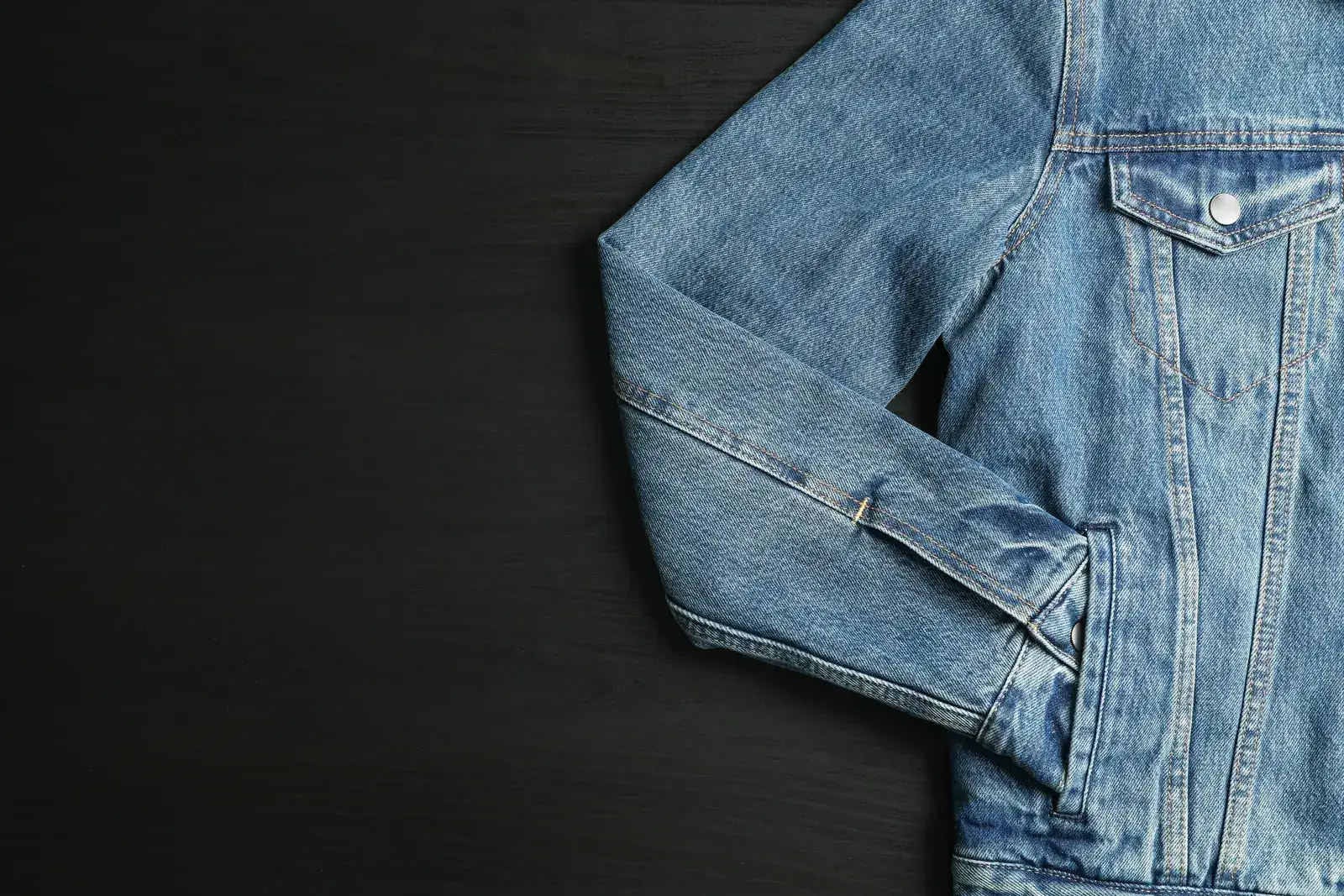
The “Canadian tuxedo” has a birth certificate: in 1951, Bing Crosby was nearly refused entry to a Vancouver hotel for wearing denim, and Levi’s answered by making him a custom denim tuxedo jacket, complete with a label declaring denim formal wear. The joke stuck as a warning for decades. Consider this article the pardon: seventy-plus years later, the tuxedo is back on the right side of the rope, two shades apart.
Mistakes
- The identical-wash column. My founding error and the diagonal of the matrix. Two shades minimum, no exceptions granted by good intentions.
- Three denim pieces. Jacket, jeans, and anything else denim is a costume of a fabric. Two pieces, one breaker.
- Shiny stretch denim in the mix. Sheen breaks the workwear spell that makes double denim read authentic. Rigid or lightly stretched matte washes only.
- Skipping the breaker. Even correct contrast wants the belt or the white tee as punctuation; without it, the outfit reads like a sentence with no period.
- Buying it all new. See the $26 haul. Denim is the one category where the thrift store is the flagship and the mall is the outlet.
FAQ
Can you wear denim on denim?
Yes, with one rule: keep the two pieces at least two shades apart on the light-to-black wash scale. A light jacket over dark jeans, or the reverse, reads deliberate and polished; matching washes create the head-to-toe upholstery effect that gave double denim its bad name.
What denim washes go together?
Pairs separated by two or more shades: light (1–2) with dark (4), light with black (5), or medium (3) with black. The combinations to avoid are same-shade and one-shade-apart pairs, which blur together. The safest formula in the matrix is a light-medium jacket over dark indigo jeans.
What is a Canadian tuxedo?
The nickname for an all-denim outfit, born in 1951 when Bing Crosby was nearly turned away from a Vancouver hotel for wearing denim and Levi’s responded by making him a custom denim tuxedo jacket. Once a punchline, the look is now a styling staple when worn with deliberate wash contrast.
Is double denim in style in 2026?
Yes; it has settled in as a core technique of the broader western and Americana revival rather than a passing trend. The current styling standard is exactly what this guide teaches: two contrasting washes, one non-denim breaker piece, and matte rigid-style denim rather than shiny stretch fabrics.
Two Shades, One Breaker, Zero Fear
That is the entire discipline, and the closet you already own probably passes it. Check your jacket and jeans against the scale, add the belt, and retire the fear along with my old mirror photo. The system it slots into is the western chic starter guide, the boots that anchor formula three are in the cowboy boot guide, and the town where the whole thing gets worn loudest is waiting in Nashville outfit ideas.
Prices in this guide were checked at publication and are shown as typical ranges. How we check facts and prices →