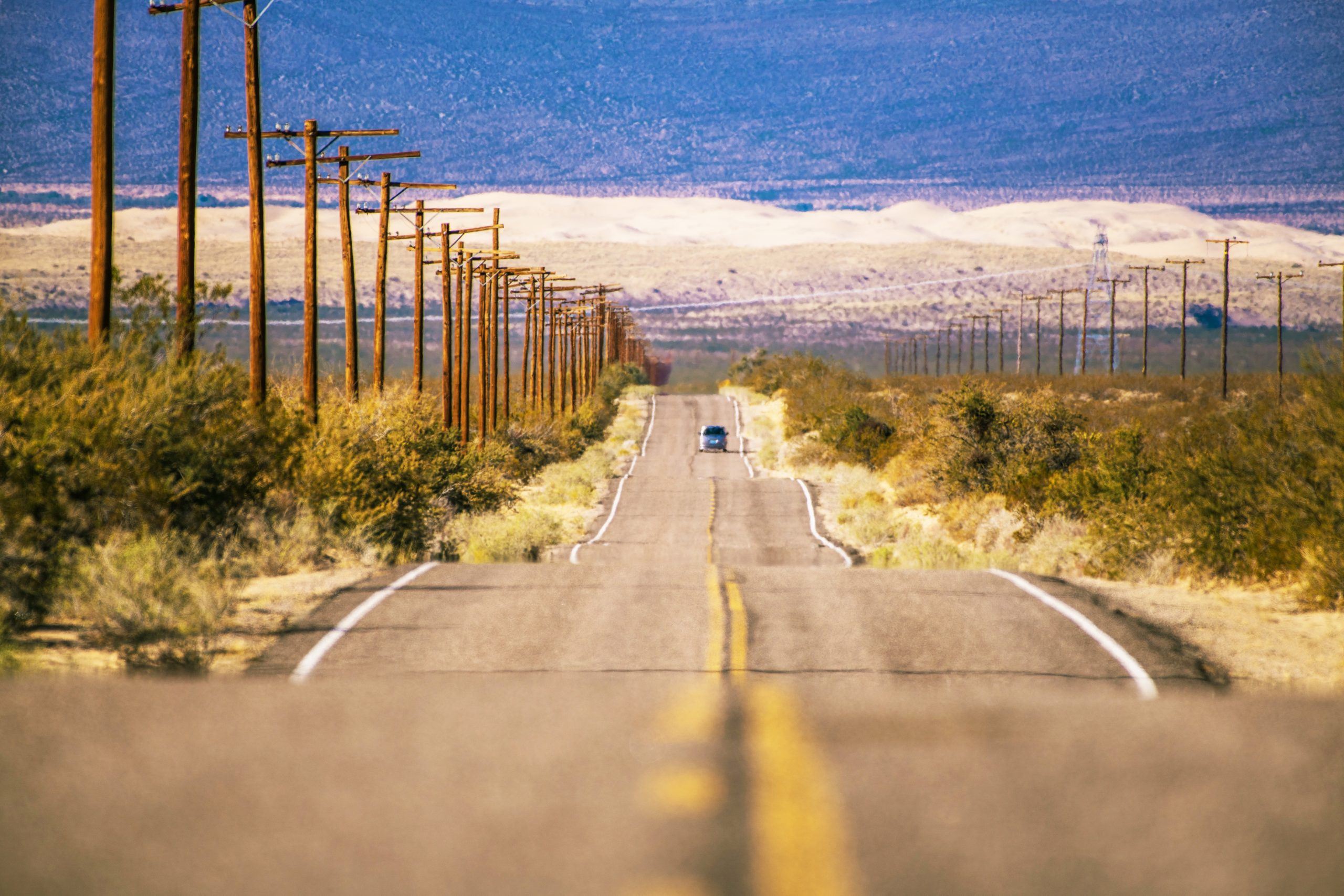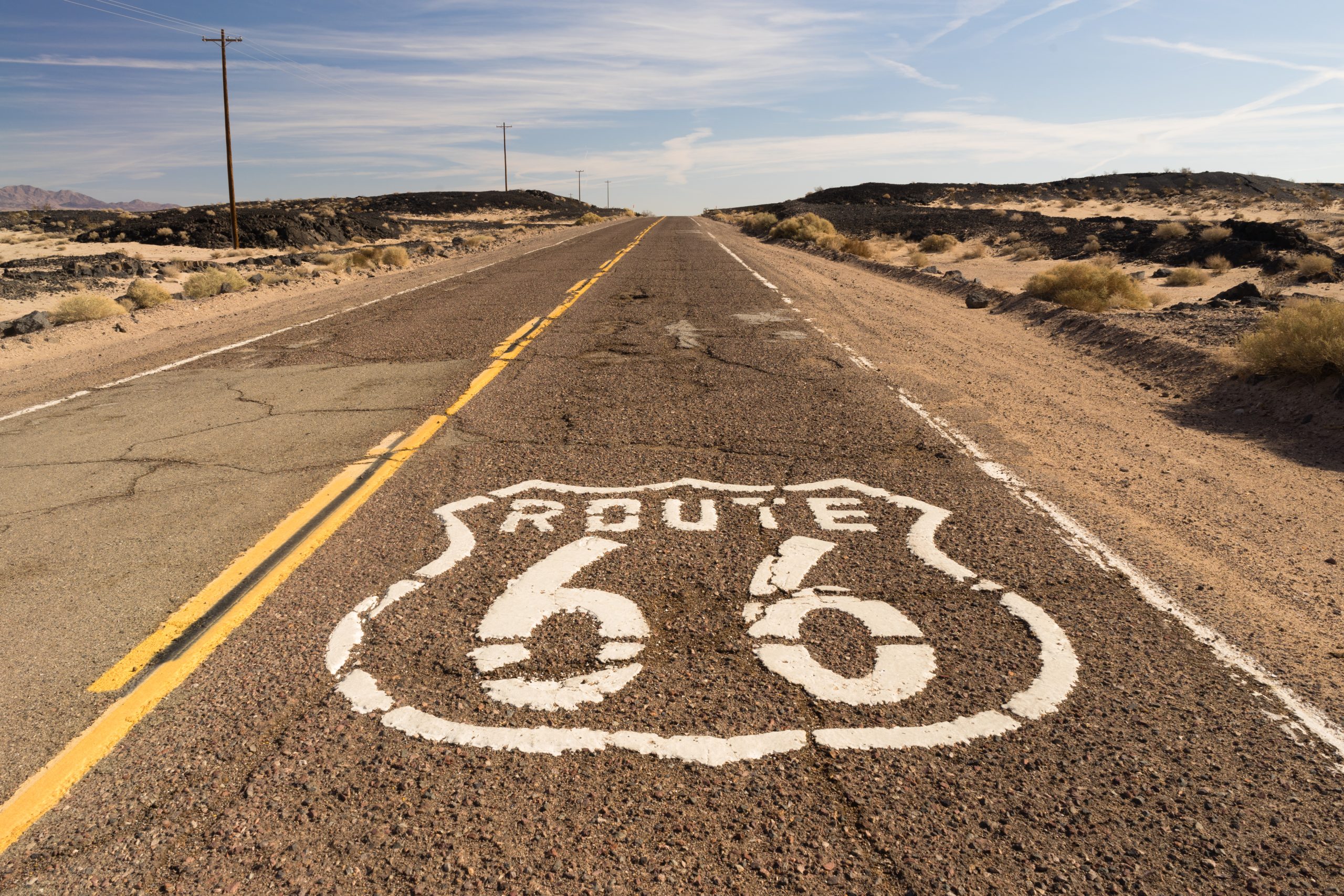


The American Southwest is one of those places that people describe badly because no description quite does it justice. The scale is wrong for human language. The colors are wrong for most cameras. And the silence, which is one of the most distinctive things about it, is impossible to convey in words at all. What you can say is this: a road trip through the American Southwest is the kind of travel experience that changes the way you see everything else afterward.
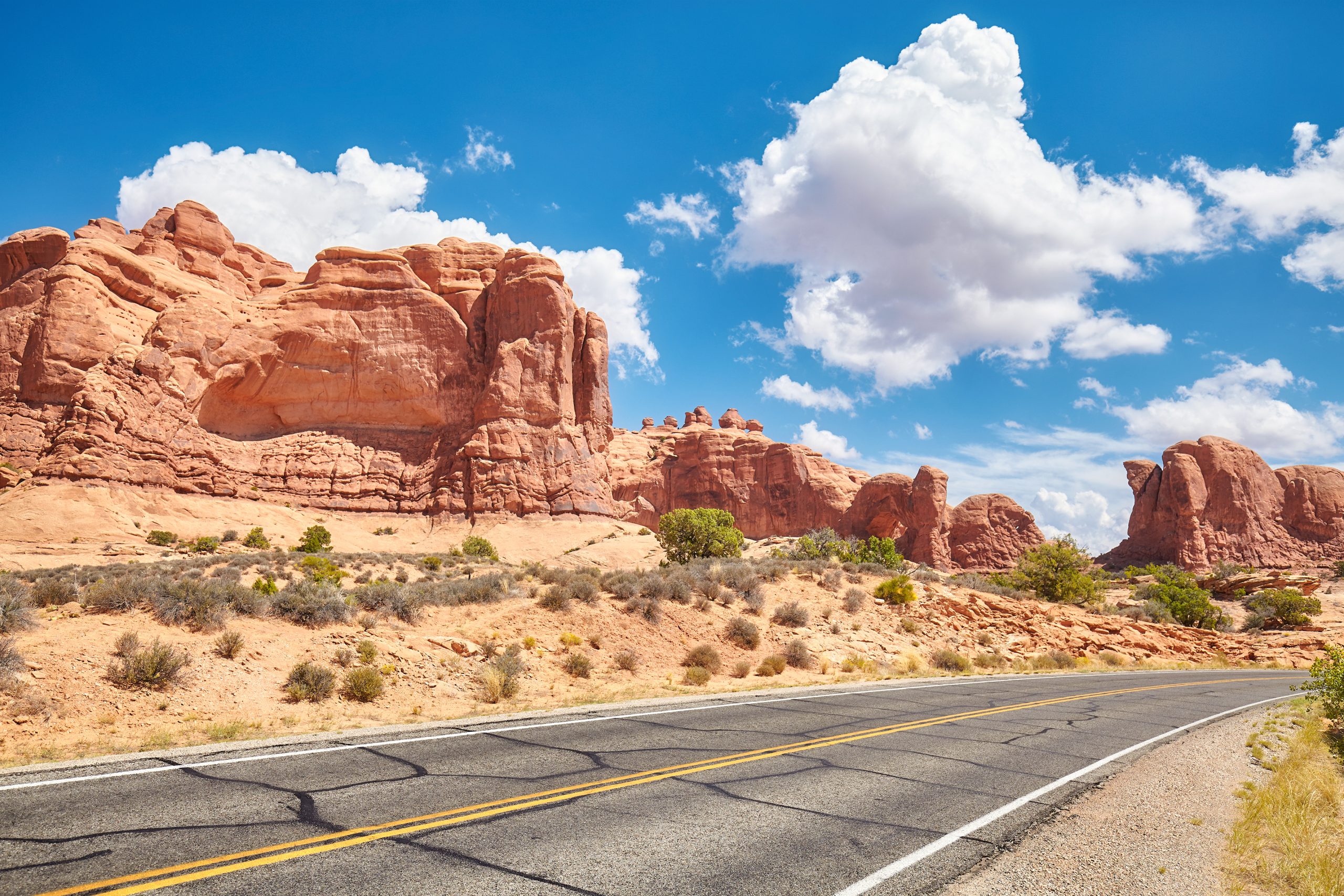
I drove through Utah once and nothing prepares you for that first moment the red rocks close in on both sides of the road.
Why the Southwest Deserves More Than a Weekend
Most people who visit the American Southwest for the first time underestimate how much there is and how long it takes to between move things. The distances are real. Driving from the Grand Canyon to Arches National Park in Utah takes about five hours on a good day. Sedona to Santa Fe is nearly four. The Southwest rewards the traveler who builds in extra time, who is willing to stop at a viewpoint that was not on the itinerary, and who understands that the driving itself is part of the experience rather than the gap between experiences.
A first-time Southwest road trip of ten to fourteen days will let you cover the essential stops without feeling rushed. Two weeks is better. Three weeks is ideal if you want to include both the Arizona and Utah sections properly.
The Essential Destinations
The Grand Canyon, Arizona
There is nothing that genuinely prepares you for the Grand Canyon the first time you see it. You walk to the rim expecting something impressive and what you get instead is something that briefly short circuits your sense of scale. The canyon is 277 miles long, up to 18 miles wide, and over a mile deep. The South Rim is open year-round and has the most developed infrastructure. The North Rim is higher, quieter, and only open from mid-May through mid-October. If you can only do one, the South Rim is the practical choice. If you can do both, do both.
Hiking into the canyon rather than simply viewing it from the rim transforms the experience completely. The Bright Angel Trail is the most accessible and well-maintained descent. Go early, carry more water than you think you need, and turn around before you feel like turning around. The canyon is deceptive in that direction.
I stood at the edge and just stopped talking. There is nothing to say when something is that big.
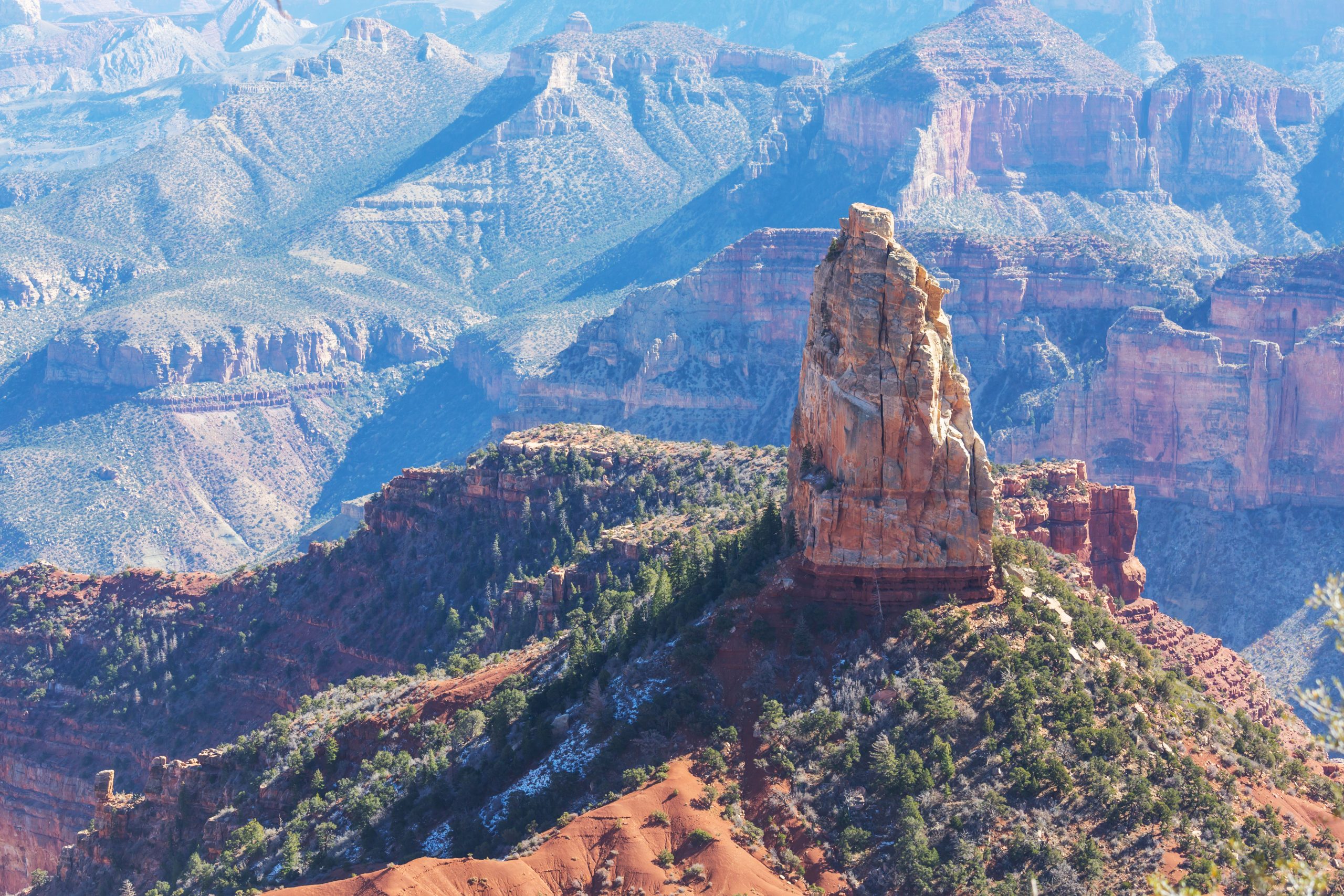
Sedona, Arizona
Sedona sits in a valley surrounded by red sandstone formations that glow orange and crimson in the morning and evening light in a way that seems almost artificially beautiful. It is one of the most photographed places in Arizona and the photographs still do not capture it. The town itself has become increasingly tourist oriented over the years but the landscape around it is unchanged and the hiking trails that run through the red rock country are among the best in the Southwest.
The Cathedral Rock trail, the Devil’s Bridge trail, and the West Fork of Oak Creek Canyon are the three most rewarding hikes for a first-time visitor. Get to the trailheads before eight in the morning in the summer months to avoid the heat and the parking situation that develops later in the day.
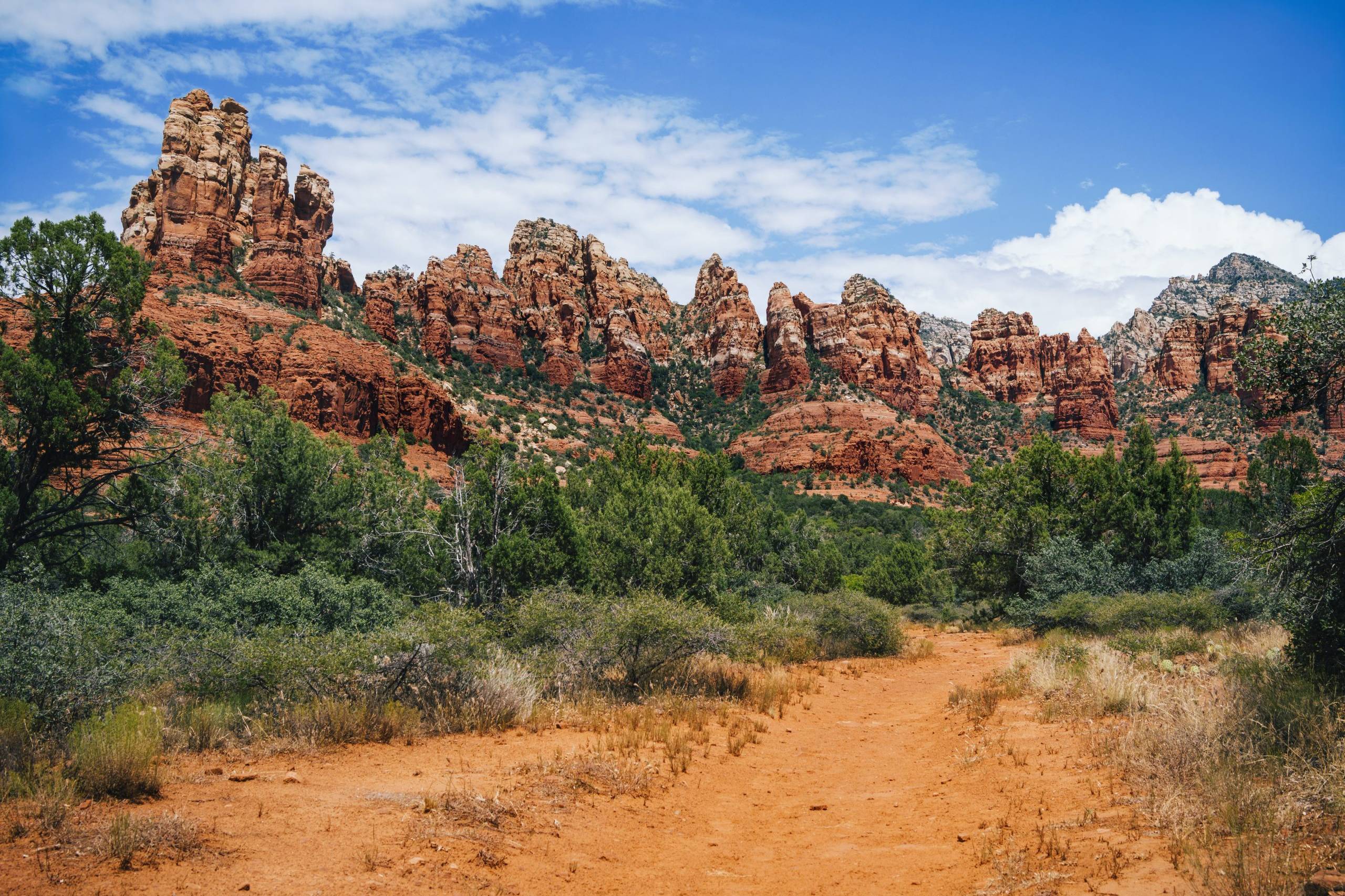
I did not expect Sedona to feel the way it did. The red rocks are not just pretty, they make the whole place feel like it exists outside of normal time.
Monument Valley, Arizona and Utah
Monument Valley sits on the Navajo Nation and the landscape here is one of the most iconic in America. The three Mittens and Merrick Butte rising from the valley floor are the images that appear in countless westerns and road trip photographs, and seeing them in person feels like stepping into a painting you have known your whole life. The 17 mile Valley Drive through the valley floor is unpaved but manageable in a standard car. Guided tours with Navajo operators are available and worth taking for the cultural context they provide.
Zion National Park, Utah
Zion Canyon in southern Utah is a narrow sandstone canyon carved by the Virgin River and it has a completely different character from the wide open grandeur of the Grand Canyon. The walls rise thousands of feet on either side of the canyon floor and the light that filters down between them changes through the day in ways that make the same trail look entirely different depending on when you walk it. The Angels Landing hike is the most famous in the park and the chains section near the summit is genuinely exposed. The Narrows, where you walk up the river itself between walls of slot canyon, is one of the most singular hiking experiences in the American Southwest.
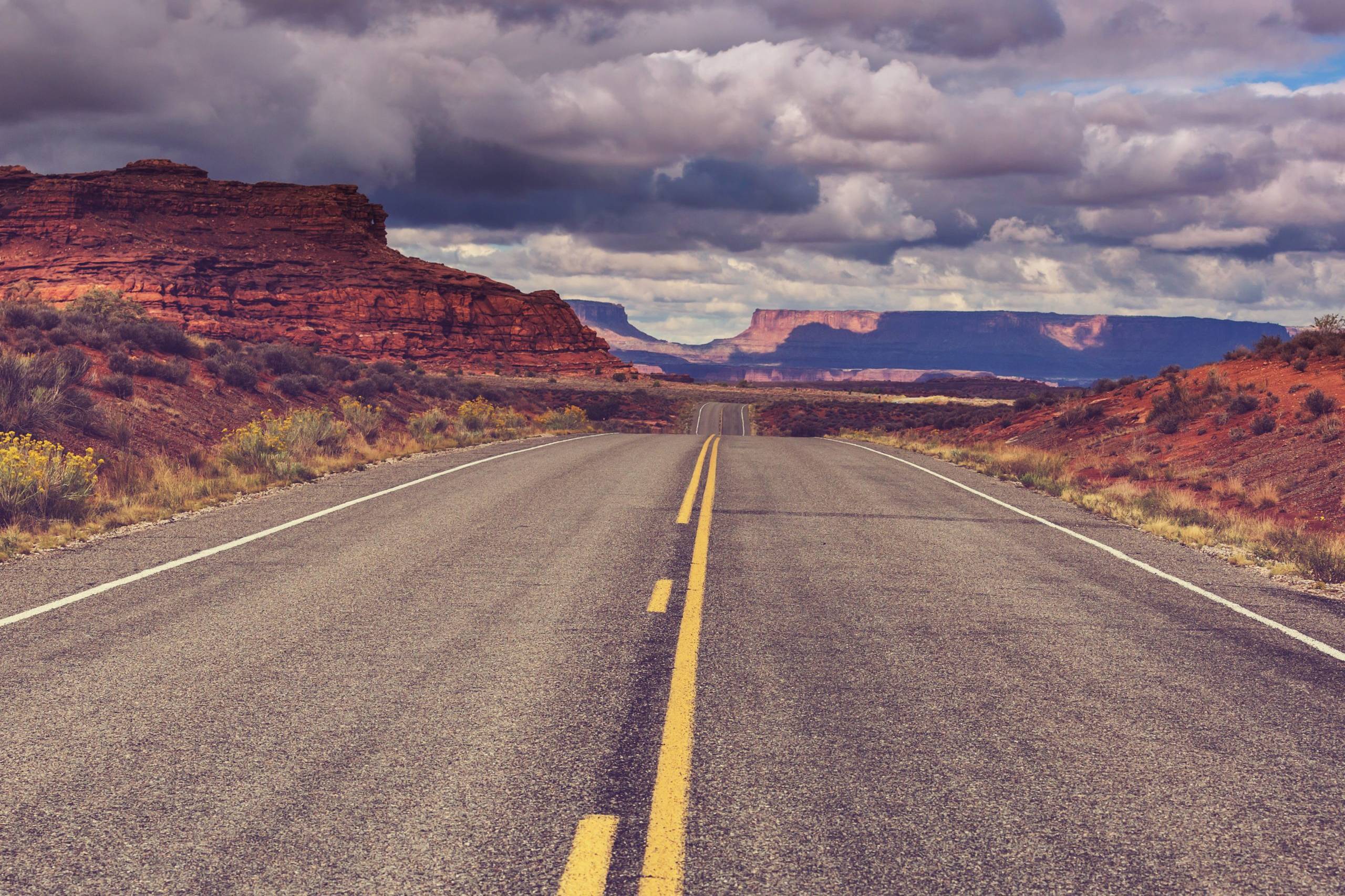
We had no idea that highway cuts through one of the oldest exposed rock formations in North America. Some roads are more than just roads.
Arches National Park, Utah
Arches contains more natural stone arches than anywhere else on earth, over two thousand of them in a relatively compact area of high desert outside Moab, Utah. Delicate Arch is the most famous and the hike to reach it at sunset, when the arch glows against the La Sal Mountains in the background, is one of those experiences that earns its reputation. The Fiery Furnace section of the park requires a permit or a ranger-led tour and is worth both the effort and the fee for the labyrinthine sandstone landscape it contains.
Santa Fe, New Mexico
Santa Fe is the cultural and culinary anchor of a Southwest road trip and it deserves more time than most people give it. The oldest state capital in the United States, it has an architectural coherence built from centuries of adobe construction that gives the whole city a warm, earthy quality unlike anywhere else in America. The Canyon Road gallery district, the Palace of the Governors on the Plaza, and the Meow Wolf immersive art experience are all worth half a day each. The food in Santa Fe is genuinely exceptional, built on green and red chile traditions that have developed here over centuries.
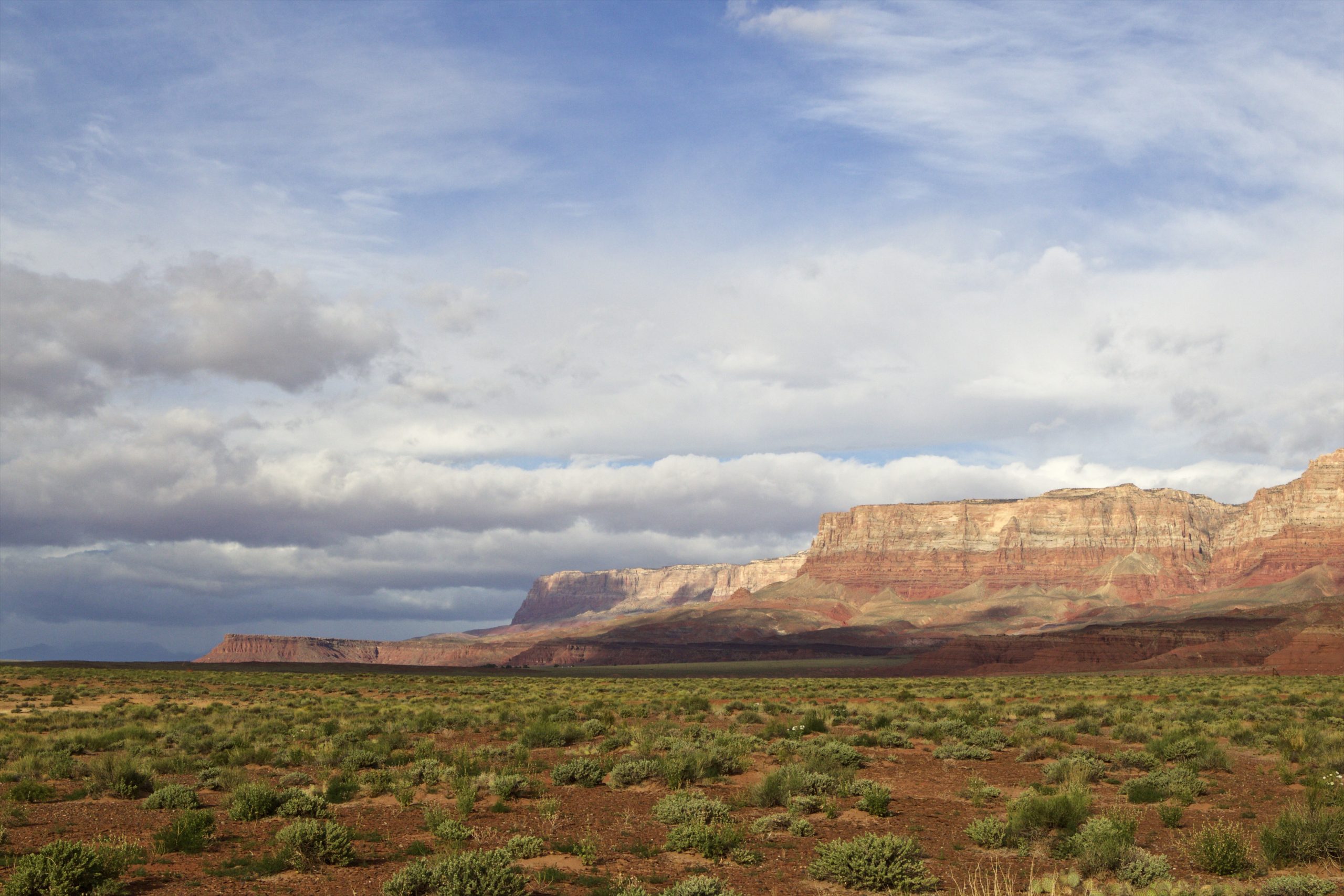
We learned that the Grand Canyon took around 5 to 6 million years to form and standing there you somehow feel every single one of them.
Antelope Canyon, Arizona
Antelope Canyon is a slot canyon on Navajo land near Page, Arizona and it produces the most photographed light beams in America when the sun is at the right angle in the late morning. Access is only possible through guided tours operated by Navajo tour companies and booking well in advance is essential, particularly for the light beam tours in the Upper Canyon which run from late March through early October. The Lower Canyon has fewer crowds and a more varied visual experience even without the light beams.
Practical Planning
The Best Time of Year
Late March through May and September through November are your best windows. Summer heat in Arizona regularly hits 110 degrees and is a real logistical problem. Winter brings snow to higher elevations and closes some roads but also brings far fewer crowds and a completely different look to the landscape.
How to Structure the Route
Most people start and end in Las Vegas or Phoenix since both have major airports and easy car rentals. A clockwise loop from Las Vegas covers Zion, Bryce Canyon, Arches, Mesa Verde, Santa Fe, the Grand Canyon and back. From Phoenix, the natural route goes through Sedona, the Grand Canyon, Monument Valley, and into Utah before swinging back through New Mexico.
Even when the door was still half open. We didn’t go in, but we wanted to
Where to Stay
Camping inside the national parks puts you in the landscape in a way towns cannot match. Book months ahead for Zion, Arches, and the Grand Canyon during peak season. Moab, Sedona, Flagstaff, and Santa Fe all make solid bases if you prefer a roof over your head.
What to Pack
Sun protection is not optional here. Wide brimmed hat, high SPF, UV clothing, real sunglasses. For water, the rule is one liter per hour of hiking in moderate heat. Carry more than you think you need or you can check out our full list of road trip essentials to avoid any last-minute stress.
Getting Cell Service
Large sections of the Southwest have little to no coverage, especially on the Navajo Nation and in remote Utah. Download offline maps before you lose signal, bring a paper map, and save all your reservations offline before you need them.